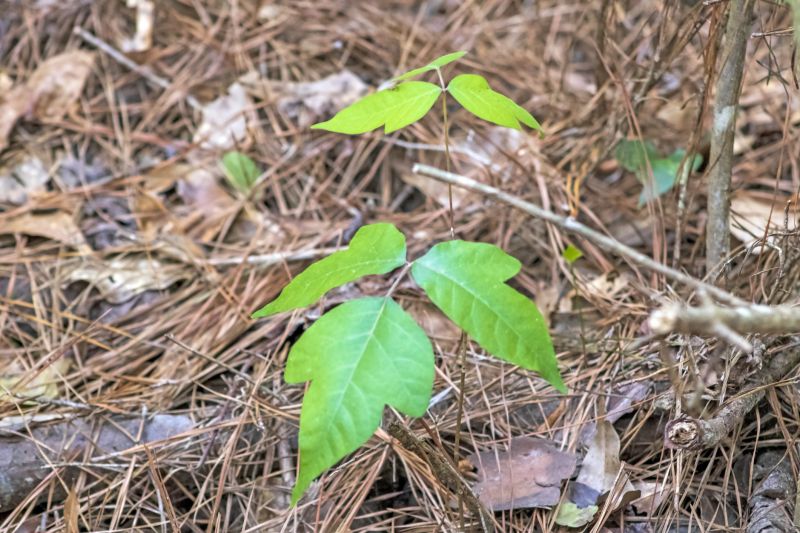
Poison Oak Removal in West Chester, PA
Poison oak removal services help property owners safely eliminate this common and potentially irritating plant from residential landscapes. These services typically cover a range of projects, including clearing poison oak from yards, gardens, wooded areas, and around outdoor structures. Homeowners often seek this service to prevent skin irritation, protect children and pets, and maintain a safe outdoor environment. Before requesting poison oak removal, it’s helpful to understand the extent of the growth, the location of the plants, and whether the plants are accessible for removal without damaging surrounding vegetation.
Property owners should also consider the best timing for removal, usually during active growth seasons, to ensure complete eradication. It’s important to clarify whether the removal process involves cutting, digging, or herbicide application, and to ask about the disposal of removed plants to prevent regrowth. Proper removal not only minimizes health risks but also helps preserve the aesthetic and safety of outdoor spaces.
Many property owners in West Chester, PA look into Poison Oak Removal for repairs, replacements, upgrades, and appearance-related improvements.
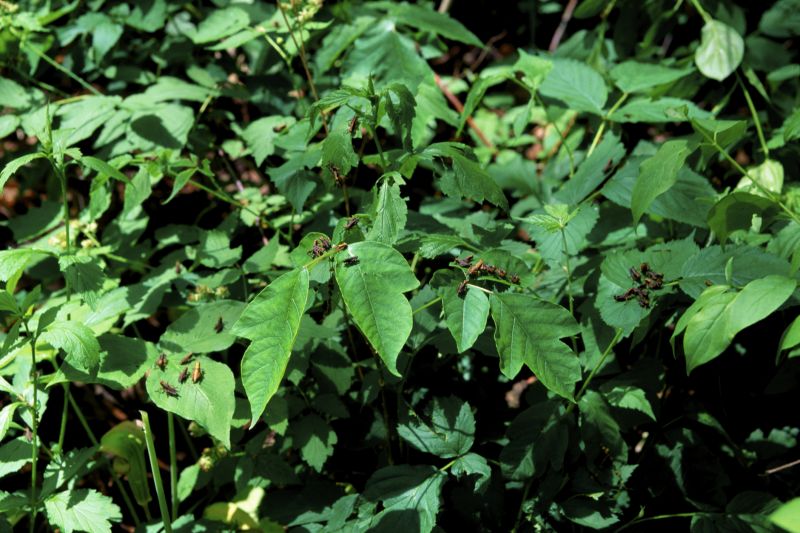
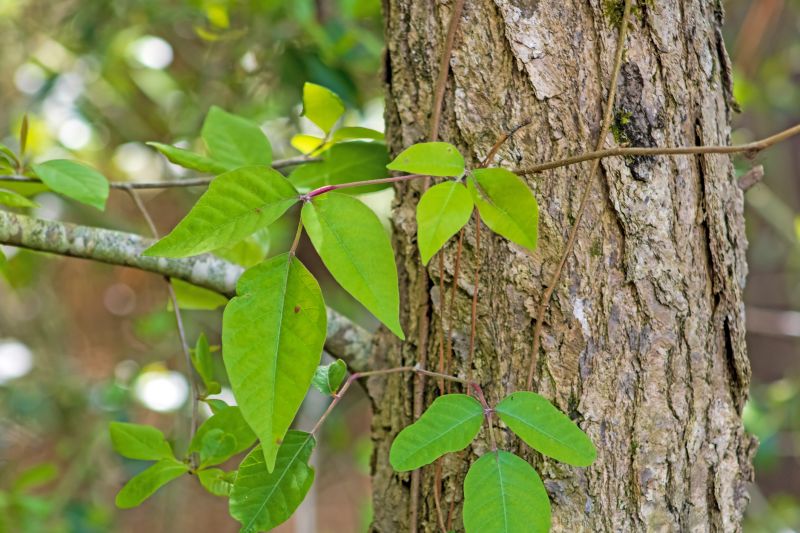
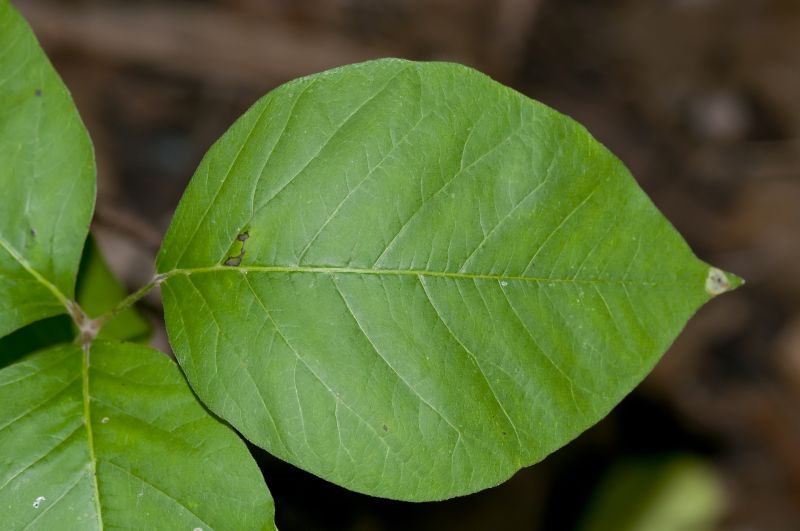
Poison Oak Identification
Recognizing poison oak is essential for safe removal and property protection.
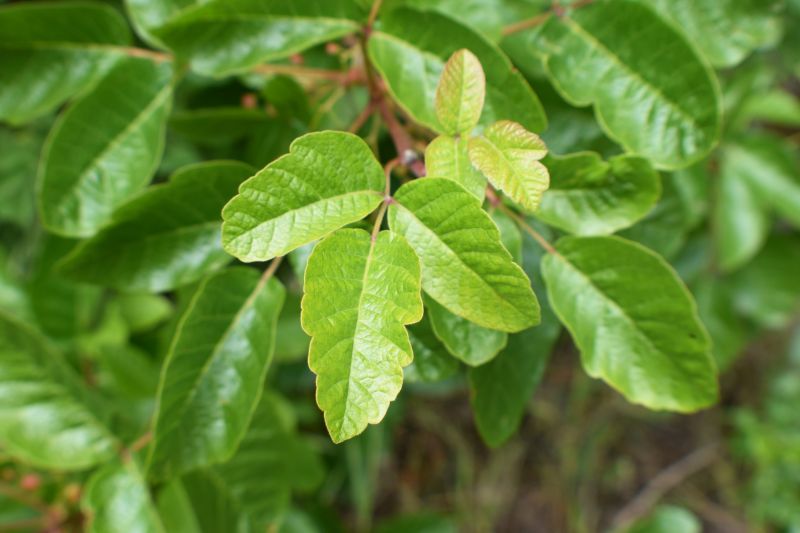
Safety During Removal
Proper techniques help prevent skin irritation and exposure during the removal process.
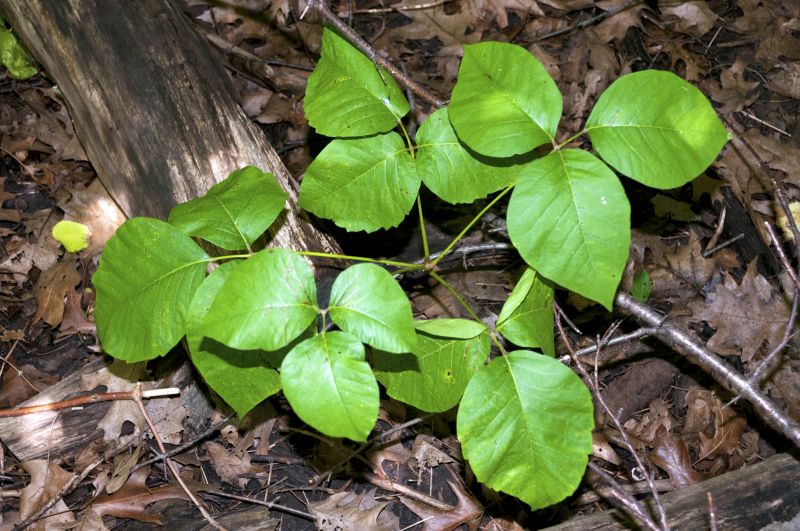
Preventing Future Growth
Effective removal methods can help keep poison oak from regrowing on residential properties in west chester, pa.
Poison Oak Removal in West Chester, PA

Poison oak removal services help property owners safely eliminate this common and potentially irritating plant from residential landscapes. These services typically cover a range of projects, including clearing poison oak from yards, gardens, wooded areas, and around outdoor structures. Homeowners often seek this service to prevent skin irritation, protect children and pets, and maintain a safe outdoor environment. Before requesting poison oak removal, it’s helpful to understand the extent of the growth, the location of the plants, and whether the plants are accessible for removal without damaging surrounding vegetation.
Property owners should also consider the best timing for removal, usually during active growth seasons, to ensure complete eradication. It’s important to clarify whether the removal process involves cutting, digging, or herbicide application, and to ask about the disposal of removed plants to prevent regrowth. Proper removal not only minimizes health risks but also helps preserve the aesthetic and safety of outdoor spaces.
Many property owners in West Chester, PA look into Poison Oak Removal for repairs, replacements, upgrades, and appearance-related improvements.
Common Poison Oak Removal Jobs
Poison Oak Removal - safely eliminates poison oak plants from residential landscapes.
Property Clearing - clears overgrown areas infested with poison oak to prevent spread.
Vegetation Management - targets poison oak to protect trees, shrubs, and lawn health.
Landscaping Maintenance - removes poison oak during routine yard upkeep and cleanup.
Emergency Removal - handles urgent poison oak removal to reduce exposure risks.
Site Restoration - restores affected areas after poison oak removal for safe use.
Poison Oak Removal Questions
What is poison oak removal? Poison oak removal involves safely eliminating the plant to prevent skin irritation and reduce its spread on the property.
When should poison oak be removed? Removal is recommended when poison oak is actively growing or poses a risk to people and pets in the area.
What areas are typically treated for poison oak? Common treatment areas include yards, trails, fence lines, and around outdoor structures where the plant is present.
How can property owners prevent poison oak from returning? Regular monitoring and prompt removal of new growth help keep poison oak from regrowing on the property.
Request Poison Oak Removal in West Chester, PA
Use the quote form on this page to share the basics of your project and request more information for the type of work you need.